
Flexspline & tooth contacts
Review cyclic flexing, load and tooth-contact wear.

COMPONENT APPLICATION
Distinguish flexspline/circular-spline tooth contacts from the wave-generator bearing. Review specified materials, application points and quantity, operating torque, temperature and durability.
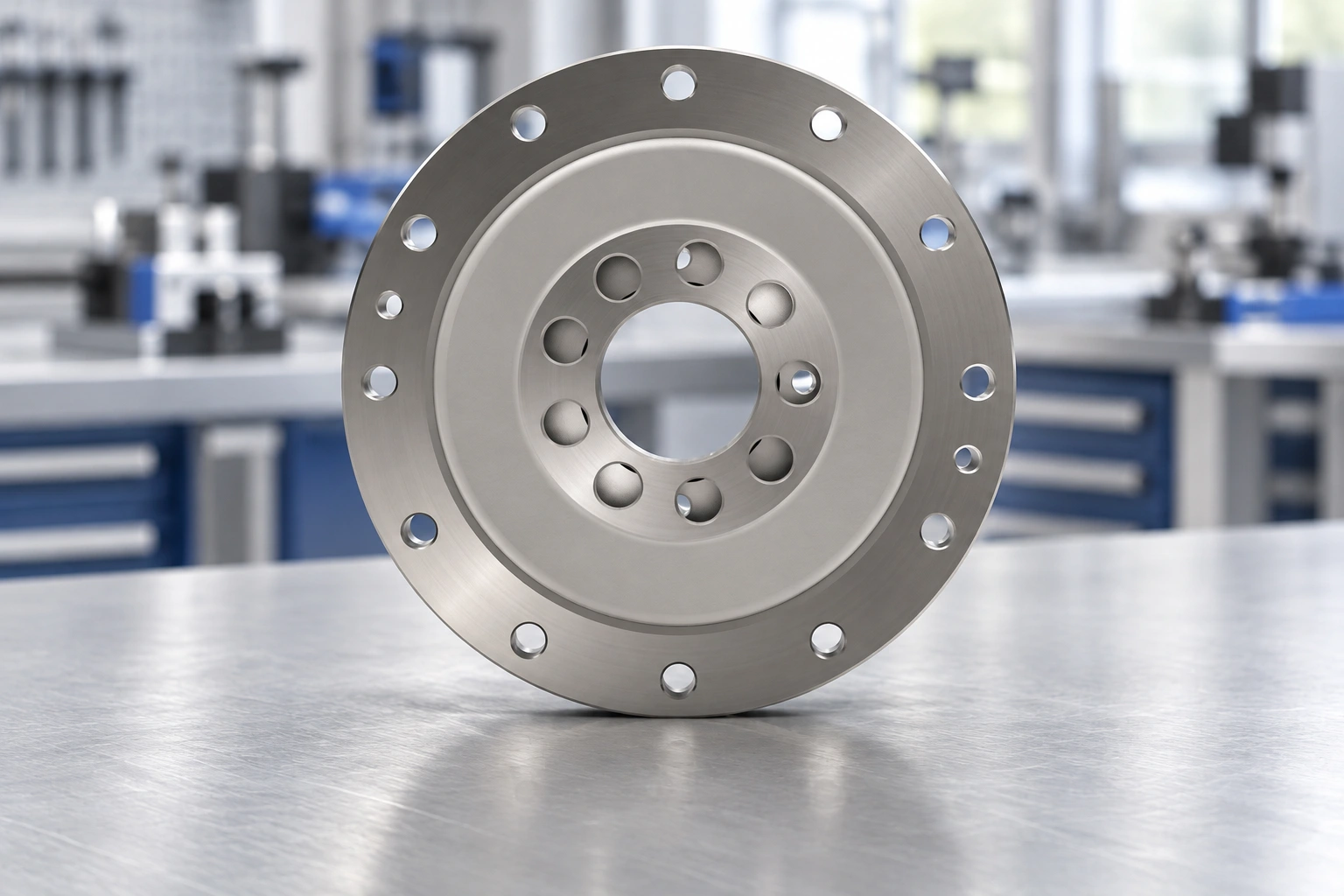
Review cyclic flexing, load and tooth-contact wear.
Compare torque, speed and temperature rise.
Match the specified application locations, quantity and seals.
SELECTION IN CONTEXT
A wave generator deforms the flexspline. Review tooth contacts separately from the wave-generator bearing, follow model-specific application points and quantity, and observe manufacturer-specific lubricant and no-mixing requirements.
Define the differences between contacts before comparing candidate materials.
| Contact | Selection & evaluation | Record |
|---|---|---|
| Design & specified conditions | Start with the model, orientation, load, input speed and manufacturer lubrication requirements. | Model/size, orientation, specified material and load/speed |
| Flexspline & tooth meshes | Compare tooth lubrication, load cycles, wear and abnormalities under the specified evaluation conditions. | Meshing area, torque, cycles and initial/post-durability tooth condition |
| Wave-generator bearing | Review lubricant supply, starting drag, heat during running and lubricant condition at the bearing. | Application point/dose, starting/running torque and temperature |
| Assembly, changeover & sealing | Match filling and seal requirements to the model, including residues, leakage and relubrication/replacement. | Current material, cleaning, quantity, seals and service procedure |
Record the specified material, points, quantity and use conditions for the teeth and bearing separately.
Control residues, cleaning, orientation and quantity, then define load, speed and temperature conditions.
Record starting/running torque, heat, sound, leakage and contact surfaces.
The mechanisms and specifications differ. A similar name or consistency does not establish suitability for the tooth contacts, bearing or assembly; follow the exact model documentation.
There is no universal quantity. Model, size, orientation and application point affect the specification; use the quantity and procedure in the relevant documentation.
Compare tooth/bearing durability, heat, sound and sealing alongside torque, including the changeover from the current lubricant.
MATERIALS & GRADES
The listed EUBO grades are application candidates, not reducer-manufacturer recommendations, approvals or drop-in equivalents. Review the specified lubricant and change conditions first.
Grease selection for strain-wave reducers, including the flexspline and wave-generator interfaces. Review shear behaviour and drive efficiency.
Reduction ratio, flexspline, wave generator and behaviour after shear
View the product family & documentation →Confirm numerical specifications and use scope in current grade-specific TDS and SDS. Share the part drawing, materials, conditions and evaluation targets.
Technical enquiry & samples →